


Seagreens UK | Wild Harvested Seaweed & Iodine
Seagreens® was founded in 1997 by Simon Ranger as an Anglo-Scandinavian venture producing wild seaweed ingredients, and now sources from a harvesting consortium across Scotland's Outer Hebrides, Norway, Iceland and Ireland. Its Wrack seaweeds, including Ascophyllum nodosum, Fucus vesiculosus and Pelvetia canaliculata, are wild harvested and milled with nothing added or extracted, and the company's research has been published in international scientific journals since 2008.
This collection includes Seagreens' own range of capsules, culinary seaweed and mineral products, alongside products from other brands, including Cytoplan, Viridian, Natural Health Practice and Archturus, that use Seagreens seaweed as an ingredient in their own formulas, most commonly as a natural source of iodine.
Why do other brands appear in the Seagreens collection?
Several supplement brands, including Cytoplan, Viridian, Natural Health Practice and Archturus, use Seagreens wild seaweed as an ingredient in their own formulas, most often as a natural source of iodine. This collection includes both Seagreens' own product range and those third-party products.
What's the difference between Seagreens Food Capsules and Iodine+ Capsules?
Food Capsules use a blend of three Wrack seaweeds (Ascophyllum, Fucus and Pelvetia) for general wholefood nutrition. Iodine+ Capsules use two of those seaweeds (Ascophyllum and Fucus) and are positioned specifically around iodine content.
What's the difference between Iodine+ and Iodine Lite+?
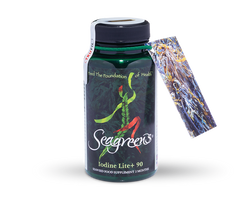
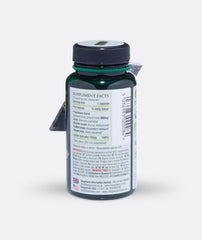
Iodine+ uses two seaweeds, Ascophyllum nodosum and Fucus vesiculosus, both naturally higher in iodine, providing typically 320mcg per capsule. Iodine Lite+ uses a broader blend of four seaweeds, adding Palmaria palmata and Alaria esculenta, species that are naturally lower in iodine, giving Iodine Lite+ a gentler overall iodine level typically 150mcg per capsule despite the wider variety of seaweed.
Is Seagreens seaweed farmed or wild harvested?
Wild harvested. Seagreens seaweed is cut by hand from living plants in the sea rather than grown through aquaculture, and is milled shortly after harvesting to preserve nutrient content.
You may also like:
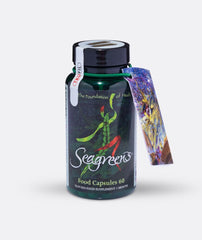
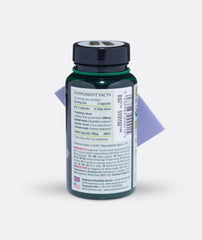
Seagreens Food Capsules 60's
You may also like:
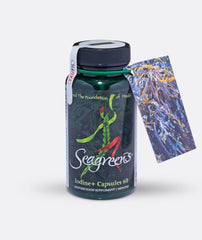
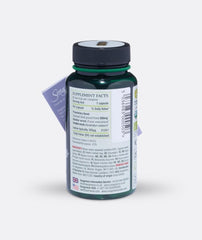
Seagreens Iodine + Capsules 60's
You may also like:
Seagreens Iodine Lite+ 90s
You may also like:
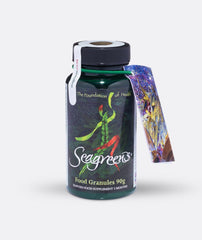
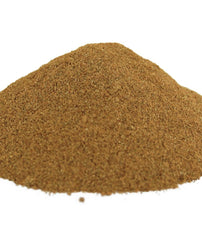
Seagreens Food Granules 90g
You may also like:
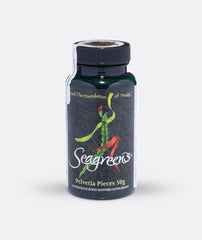
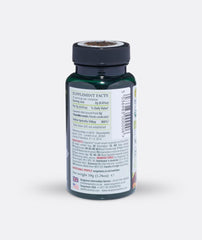
Seagreens Pelvetia Pieces 50g (Formerly Salad & Condiment)
You may also like:
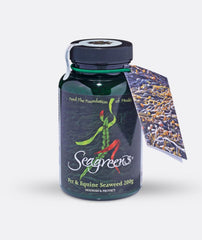
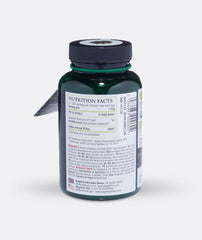
Seagreens Pet & Equine Seaweed 200g
You may also like:
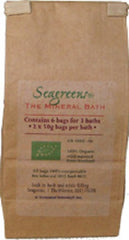
Seagreens The Mineral Bath 300g


You may also like:
Seagreens The Mineral Salt 75g
You may also like:
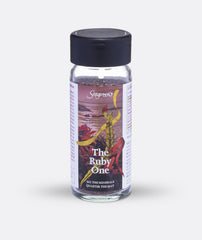
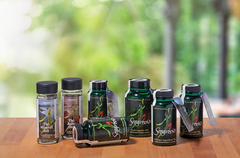
Seagreens The Ruby One 55g


You may also like:
Cytoplan Thyroid Support 60s


You may also like:
Viridian Multivitamin Woman 40+ 60s
You may also like:
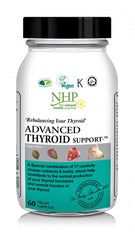
Natural Health Practice (NHP) Advanced Thyroid Support 60's

You may also like:
Archturus Natural Source Iodine 350mcg 180s


You may also like:
Nutrivital Super AntiOx 60s


You may also like:
Specialist Supplements MaxNourish 100s
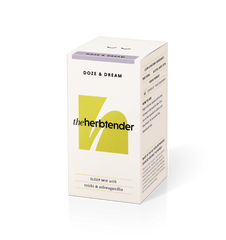
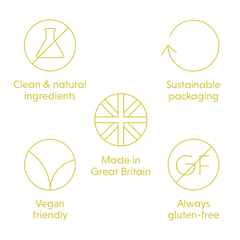
You may also like:
The Herbtender Doze & Dream 60's
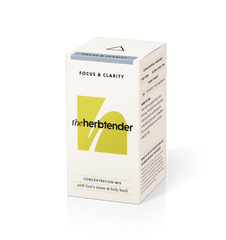
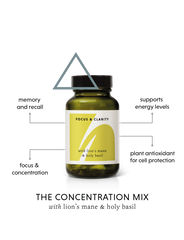
You may also like:
The Herbtender Focus & Clarity 60's
You may also like:
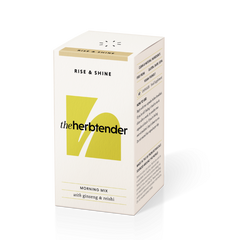
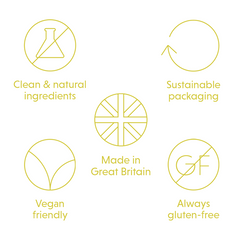
The Herbtender Rise & Shine 60's


You may also like:
The Herbtender Calm Sanctuary Gift Set


You may also like:
The Herbtender Sweet Dreams Gift Set
You may also like:
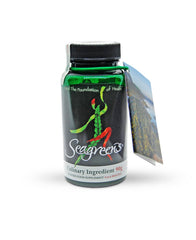
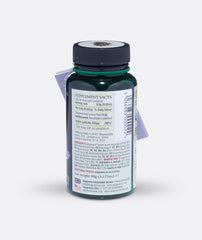
Seagreens Culinary Ingredient 90g
You may also like:
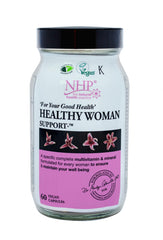
Natural Health Practice (NHP) Healthy Woman Support 60's

You may also like:
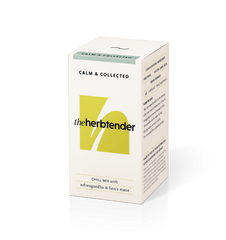
The Herbtender Calm & Collected 60's
You may also like:
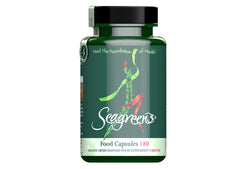
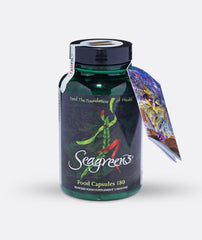
Seagreens Food Capsules 180's


You may also like:
Viridian Multivitamin Essential Woman 60s


You may also like:
Viridian Organic Super Greens 90s
